
For my analytic blog post, I have chosen to take a look back at culture jamming. In Christine Harold’s article, Pranking Rhetoric: “Culture Jamming” as Media Activism, she makes the point that “culture jamming” is an effective strategy of rhetorical protest. She goes onto to talk about how “pranksters” deploy the tools of the mass media and marketing in order to take advantage of situations and draw new meaning and light to the seriousness of situations. As an example of this, I chose a picture of Joe Camel, the infamous American cartoon used to sell cigarettes during the 1980’s and 1990’s, receiving chemotherapy as a result of smoking. During the 1990’s there was a lawsuit filed against the cigarette company, R. J. Reynolds Tobacco Company, saying that using a cartoon character appealed to children. According to the New York Times, The Federal Trade Commission determined that “the company violated Federal fair trade practice laws by promoting a lethal and addictive product to children and adolescents who could not legally purchase or use it.”
Before this ruling happened however, there was a large wave of artists that brought light to the public health issue in a series of cartoons aimed to show the true impacts of smoking to children. These cartoons are a great example of pranking rhetoric because of the artist’s campaign aims to poke holes in the original narrative and demonstrate an alternative reading to what the original campaign hoped to accomplish. According to Harold, the prankster, uses the culture jamming form to express opposing dominant rhetorics, but then playfully and provocatively makes the narrative fold over on itself. In the Joe Camel ads, Joe Camel seems to live a cool life, riding motorcycles, laying on the beach, playing pool and just generally being “smooth”. By using the same character, similar art techniques and colors the Joe Chemo ad is then almost an answer to the question, ‘what is next for Joe Camel’. Quickly, the message of a suave cartoon camel is turned into an ill and bed ridden one. The reason these images work so well to convey a message is because of the “jamming” part of the culture jamming process. According to Harold, jamming, although it often implies a free-form chaos, requires knowledgeable and disciplined players to work.”
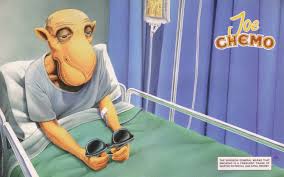
In order for the Joe Chemo ads to work, the audience in which they are intended must also have the same understanding of the issues at hand. If only the Joe Chemo ad was shown to children now, they would not have the background knowledge of who Joe Camel is, therefor it is important that audience be aware of the issues surrounding Camel cigarettes in the 1990’s. Ultimately, the FTC made the right call in banning the use of the Joe Camel cartoon ads, and the artists that produced the culture jamming pieces supported those efforts but playing to the audience’s understanding of current issues and willingness to see the original narrative fold in on itself.


 Thinking Rhetorically at GCSU